
Research

 ,
,
Finishing up leftovers – a model for zero-emission growing
Greenhouse horticulture will have to be virtually emission-free in ten years’ time. By 2027, European growers must ensure that their drainage water is completely …
 ,
,
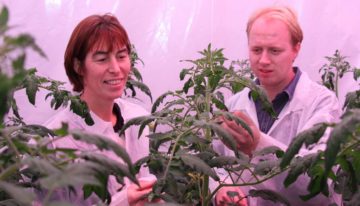
A smart watering strategy can reduce emissions to almost zero
The adage that every downside has an upside even applies to the regulations on discharges, which are becoming ever stricter. Full recirculation in sweet …
 ,
,
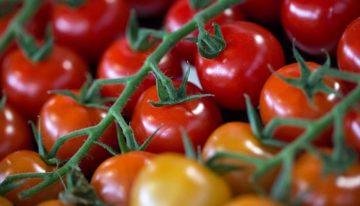
First trial with dynamic light recipe in tomatoes ups production by 8%
There’s a lot of work going on into LED lighting at the moment. We already know from past research that light colour impacts on …
 ,
,
More greenhouse vegetables but fewer ornamental plants grown in the Netherlands
In the past five years, the Dutch greenhouse horticulture industry has shrunk by approximately 10% in terms of acreage. As opposed to just under …
 ,
,
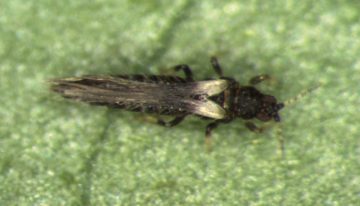
Controlling Echinothrips americanus with predatory mites and bugs
As every grower knows, thrips are a huge problem in ornamentals grown under glass. The usual suspect is the Californian thrips, a species with …
 ,
,
Good cucumber yields in innovative Winterlight greenhouse
Last year the focus in the Dutch 2SaveEnergy greenhouse was on high-wire cucumbers. Over two production cycles, Wageningen University & Research investigated whether it …
 ,
,
‘New approach to climate control whets the appetite for more’
Dutch growers who are directly involved in research into Next Generation Growing soon discover that they can apply small parts of it to their …
 ,
,
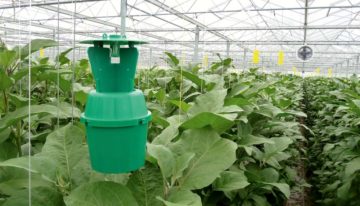
Luring effect of pheromone enhanced by adding plant aromatics
Plant bugs like the European tarnished plant bug and the common nettle bug are a serious problem in crops such as aubergine, cucumber and …
 ,
,
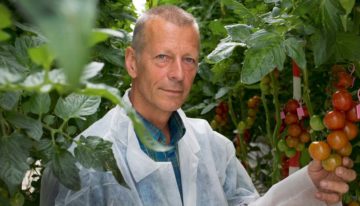
Avoiding moisture shocks best remedy for preventing tip burn
Tip burn, or marginal necrosis, is a long-standing problem in tomato cultivation which occasionally rears its head in the new strategy of Next Generation …
 ,
,
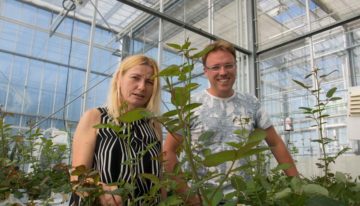
Feeding predatory mites pollen is useful weapon in battle against thrips
Controlling thrips in cut flowers biologically may be difficult but it’s not impossible. Supplementary feeding with pollen can help to build up and maintain …