
horticulture
Online sale of fresh produce promising and challenging
The online market for fresh produce and ornamental plants is growing. However, while the ornamental plant sector is making giant steps forward in this respect, the food market is lagging distinctly behind, particularly with regard to fresh produce. How can this be explained, and what are some of the opportunities and threats facing the online sale of horticulture products? Four parties engaged in this field present their vision on the developments, each based on their own expertise.
The number of consumers preferring to make their purchases online is constantly growing. Not only do they buy their clothes and shoes online; they also buy their food on the internet. The percentage of fresh produce sold online, however, lags far behind that of other product groups.
This can in part be explained partly by the high supermarket density in the Netherlands and partly by a lack of consumer confidence in the quality of fresh fruit and vegetables offered online: they prefer to see - and even touch - these products before buying them. Additionally, they are reluctant to pay additional shipping and delivery costs. On top of that, many suppliers of fresh produce lack a successful business model, particularly due to the logistic complexity associated with online sales. There are still many challenges ahead!
Online groceries
Nevertheless, various people engaged in the online sale of food products believe this to be a highly promising market. A study conducted by LEI Wageningen University Research Centre at the beginning of 2015 showed that approximately 12% of all Dutch consumers order their groceries on the internet from time to time. Another study, conducted by Deloitte in 2015, revealed that 8% of all consumers have, at one time or another, made use of an online ordering service. This service is used once or twice a month and the average amount per online order is approximately 69 euros.
Groceries ordered by respondents (or that they would like to order) online are mainly products with a longer shelf life, dairy products and frozen food. There is, however, also a notable rise in the number of fresh products ordered online. The emergence of meal boxes, of which more and more are being offered by supermarkets and other retailers, plays an important role in this development. This relatively new concept is benefiting from the popularity of regional products, healthy nutrition, organic ingredients and several intensive marketing campaigns launched by leading international players.
Meal box increasing in popularity
The meal box is becoming increasingly popular among Dutch households: A recent survey by Multiscope showed that, as it stands today, 11% have tried out a meal box and one third of them will continue to order them. Two out of ten people in the Netherlands are interested in the concept, but have never ordered a meal box. These are generally households composed on one or two persons. What appeals to them in particular is the convenience, the variety in meals and the inspiration to try new recipes.
HelloFresh is the best-known meal box. Eight out of ten people in the Netherlands has heard of this brand. Users are most satisfied about the originality and good quality of HelloFresh box. However, the price and freedom of choice in the various varieties received a lower score. HelloFresh does not deliver its meal boxes on Monday, which is the preferred delivery date. Allerhande Box, however, delivers on Monday and is second to HelloFresh when it comes to name recognition (49%).
Text: Tuinbouwteksten.nl/Ank van Lier. Photo: Fresh Informationmanagement Center.
Would you like to know the key conclusions and read about appealing examples in e-commerce? Download the complete dossier New Retail (8 pages, pdf).
If you want to download this content you need a subscription, or log in when you already have a subscription.
Related
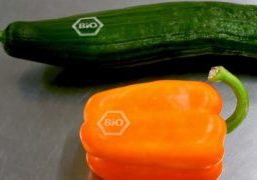





‘Tasty Tom is mentioned in the same breath as Chiquita and Zespri’
Tasty Tom has been around for twenty years, during which period this flavourful fruit has grown into a renowned brand and a standard of taste among all tomatoes. However, Tasty Tom did not grow into a success overnight, acknowledges Ton Janssen, aka ‘Mister Tasty Tom’. If you want your fresh produce brand to be and stay a success, you have to walk a tight line. We underestimated the amount of time and effort this would take.’
Twenty years ago, the Germans called Dutch-grown tomatoes ‘Wasserbomben’, or water bombs. Their image has improved tremendously, partly thanks to Tasty Tom. How did you manage this turnaround?
‘Perseverance is particularly important, and adamantly refusing to do any concessions to taste. We started growing the unique Tasty Tom variety developed by Enza Zaden under a licence in 1995. We had tested several other new varieties, but ultimately chose this one on account of its great taste. Although the next few years saw the introduction of several new varieties that scored higher in terms of production and ease of cultivation, we would have had to make concessions to taste and we decided to stick to our Tasty Tom. To be honest: the idea of switching was quite tempting at times! Still, we never lost our focus on taste; this was and is the key to a successful product. Consumers were wildly enthusiastic about Tasty Tom right from the start. This is mainly due to the variety’s sweetness: Tasty Tom has a Brix value of at least 6.0, which can rise to even 8.0 in summer! Consumers buying Tasty Tom can be guaranteed of a good-tasting tomato! With other tomato varieties, this can be like playing Russian roulette: what you buy one week won’t taste nearly as good the next, or vice versa. That’s disastrous to your reputation.’
Still, for consumers to appreciate the taste of a product, they must be able to try it first. Is promotion a determining factor for success?
‘Absolutely! Promotion is one of our key focus areas, and has been from the very beginning. It took quite a bit of persuading to draw the attention of the retail industry and consumers to Tasty Tom. I took the lead in this by visiting countless trade fairs, making television appearances, mounting Europe’s biggest billboard onto our greenhouse, tasting demonstrations - you name it! I did everything I possibly could. I even walked around in a tomato suit several times!
'Tasty Tom taught me a new side of myself that had, until then, remained concealed.'
All these promotional activities served as a tremendous eye-opener for me personally: I noticed that I genuinely enjoyed spreading the word about Tasty Tom. Tasty Tom taught me a new side of myself that had, until then, remained concealed. As growers, we built up the Tasty Tom brand through concerted effort, making use of each person’s unique and individual talents. You simply cannot tackle a task like that on your own!
At first, we thought that once we had launched the brand we would be able to take it easy. Well, we were quite wrong in that! If you are representing a brand you need to continue building on that; you never have time to lean back. To remain a constant on consumer shopping lists we still need - after twenty years - to actively focus on promotion and we still make every effort to come up with new and surprising promotional campaigns and stunts. Or we introduce different packaging, or a new logo. With Tasty Tom it’s just like any other brand: inertia is tantamount to decline.’
What were the highlights you experienced in the past two decades?
‘There were several. What continues to astound me is how many people take the time to send us an email to let us know how much they like the taste of our Tasty Tom tomatoes.
The most bizarre experience was, without a doubt, the Tasty Tom promotional campaign we held at the Game-com Trade Exhibition in Cologne: a trade fair for computer games that was visited only by the younger generation. There was incredibly loud music playing and we thought: “What on earth are we doing here?” Still, our stand had more visitors than any other: those boys and girls ate every single tomato we brought!
'Looking back, we probably should have introduced the snack tomato earlier.'
But the absolute high point is that Tasty Tom has grown into a genuine brand in the past twenty years and is now an established name. It’s difficult to pin this to a specific point in time, but Tasty Tom became a household word about five years ago. ‘Tasty Tom is mentioned in the same breath as brands like Chiquita and Zespri.’
Did you experience any disappointments? Or is there anything that, with the knowledge you have today, you would have done differently?
‘Looking back, we probably should have introduced the snack tomato earlier. We put a small-scale version of the PartyTom on the market ten years ago. At that point in time, snack tomatoes had already become a hype and have since grown into a bulk product. We decided to discontinue the product because we did not want to take part in the price battle. If we had been ahead of the masses in launching our product, we would have been able to deliver added value and get a better price.’
Tasty Tom is, however, not the only tomato brand around. Tommies and Honingtomaten, for example, have also become established brands. What is your opinion of these brands? To what extent are they Tasty Tom’s competitors?
‘These parties also opted for a tomato that distinguishes itself through its taste, which is something I admire whichever way you look at it. Additionally, the way both these brands were launched on the market was fantastic. A lot more money went into their launch than into that of Tasty Tom; our budgets are limited. Besides that, Tommies were launched internationally. As the growers of Tasty Tom, we once considered taking its cultivation international, but decided against it because we were uncertain if we could guarantee our consistently high level of quality. None of our association’s members wanted to move abroad. Besides that, the investment we made in lighting is now enabling us to grow tomatoes all year round.
Of course, we compete with Tommies and Honingtomaten in our niche of the market. The money consumers spend on these tomatoes won’t be spent on Tasty Tom. Still, we aim to rely above all on our own power and take pride in what we have achieved with Tasty Tom.’
What can be done to help the Dutch greenhouse horticulture industry find its way back to the top? Is the recovery plan instigated by Cees Veerman and the Rabobank the best option?
‘I have my doubts about that. We will never manage to get everyone in the same line and all growers on one and the same sales point. The differences in thinking are enough: people from the Westland region have an entirely different approach compared to people from Limburg, for example. They focus on superlatives and dare to take greater risks. That starts to hit a sore spot. I think that this is an important reason why growers and growers’ associations based in the southern part of the Netherlands don’t participate in the recovery plan.
'The problem with greenhouse horticulture is mainly the fact that too much is being produced.'
The problem with greenhouse horticulture is mainly the fact that too much is being produced. As a result, most growers are not participating in a demand market, but in a price fighters’ market. Launching a genuinely distinctive product on the market is the only way to avoid this. However, not everyone is equally well equipped to do this, and it certainly isn’t easy. Additionally, as a grower you can’t do much more than keep your costs under control as well as you possibly can. This can only be done to a certain extent anyway: you can never accurately predict the development of the global economy or the price of oil.’
Which of your colleagues do you admire the most?
‘Gosh, that’s a difficult question! Or actually, it isn’t. Rob Baan of Koppert Cress is someone I respect tremendously. He is a great advocate of promotional activities, just as I am. Rob is also a great spokesman and really puts his neck out for the sector through such activities as setting up the culinary television channel 24Kitchen. Additionally, Rob focuses on the distinguishing properties of his cress; there is something special to every one of his varieties.’
What are your plans and ambitions for the next few years to come?
‘We have lots of new plans on the drawing board: we just adopted our new five-year plan last month. I can’t go into any details, of course, but what I can tell you is that Tasty Tom will be spreading its wings!
On top of that, we will keep looking for new tomato varieties with better cultivation and production traits. However, we will only switch to a new variety if it can measure up to our current variety in terms of taste - and that’s quite a difficult act to follow!
Whether or not we will be expanding our current acreage of 62 hectares depends on market demand. It is crucial that we continue listening to the market. We have done that in the past two decades and will continue to do so in the future!’
The Tasty Tom growers’ association is currently composed of Ton Janssen from Venlo; Hans, Gerard and Eric Vereijken from Vereijken Kwekerijen in Aarle-Rixtel; Wim Peters from Someren and Roland Ghielen from Grubbenvorst. They collectively grow 62 hectares of Tasty Tom tomatoes. That’s almost 24 times the 2.6 hectares that Tasty Tom initially started out with in 1995. Tasty Tom tomatoes are sold through the ZON Fruit and Vegetable Auction to traders and retailers in selected countries. Besides distribution in the Netherlands, Tasty Tom is also popular in Germany, Scandinavia, the UK and Japan.
Text: Tuinbouwteksten.nl/Ank van Lier. Photo: Tasty Tom.
‘A good growing climate produces healthier plants.’
Royal Pride is one of the few companies in Holland that is allowed to display the Milieukeurmerk (Dutch quality mark), so the bar on food safety has been set high in Middenmeer. 'The first step in striving for the lowest possible amount of crop protection agents is to prevent diseases in the crop. A good climate computer system is essential here', says tomato grower Frank van Kleef.
Royal Pride recently switched to a different climate system and a different supplier. Co-owner Frank van Kleef explains the motivation for teaming up with Priva. 'In terms of development the Connext from Priva is much more advanced than other systems. It allows us to grow crops more energy efficiently and make advances in terms of production. This allows you to successfully recoup this type of investment. The new system also has an advantage in the field of food safety, as a good growing climate produces healthier plants with higher resistance.'
'It is, and remains, the green-fingered grower who can best decide whether or not the plant is happy.'
It is an essential aspect of the operational safety Royal Pride continuously strives for. 'We've come a long way in that field. With the current size of tomato companies like ours, that safety is very important. When we switched to the new climate system we had good reason to include a loop so that the necessary back-up was available at all times.'
3500 sensors
Technical developments provide added value, but Frank van Kleef does not believe that automation will make expertise superfluous in the future. 'The grower's judgement will always be very important.' At the company in Middenmeer 3500 sensors have been installed to measure all kinds of things. 'But it is, and remains, the green-fingered grower who can best decide whether or not the plant is happy.'
'A development such as Next Generation Greenhouse Cultivation is promising but keeps shifting because technology keeps changing.'
However, due in part to the technological developments, that grower has regularly changed the way they work over the past 20 years. 'A development such as Next Generation Greenhouse Cultivation is promising but keeps shifting because technology keeps changing. We need to continue improving. While 20 years ago we grew 40 kg of tomatoes with 60 cubic metres of gas, today we grow 70 kg with just 35 cubic metres.'
Watch the video of Frank van Kleef about climate management.
Source/photo: Priva/The Grower Files.
Increasing range of plant strengtheners available
Manufacturers and horticultural suppliers alike have been expressing increasing interest in the development and market for plant strengtheners. A whole series of products based on substances of a natural origin, from micro-bacteria to hormones and from fungal preparations to seaweed and from algae to fatty acids, are lauded for their resilience-boosting capacities. An overview, however temporary, is presented below.
Our planet’s flora and fauna offer a wide range of substances that are beneficial to crop protection. The members of Artemis develop agents and systems that increase plant resilience to such an extent that diseases and pests simply won’t stand a chance. Artemis is the industry organisation and interest group for biological crop protection. The organisation is composed of manufacturers and suppliers of natural enemies, pollinators and plant protection products of natural origin. The substances (i.e. products) impact a wide range of functions in plant physiology.
Defence proteins
According to Alwin Scholten, cultivation advisor and owner of PlantoSys, plant strengtheners can be used in multiple ways. PlantoSys incorporates the plant-based defence protein salicylic acid into its products. Every plant produces this naturally. If the concentration is high enough, the plant starts to produce defence proteins that can block the growth of bacteria, fungi and viruses. ‘Salicylic acid is, in itself, not an antibody. It spurs the plant to produce defence proteins,’ explains Scholten. ‘However, a sufficiently high concentration must be attained in the plant before this will work. This level can be increased by administering salicylic acid to the plant’s leaves (by spraying) or roots. Stimulating the plant’s own immune system through the application of salicylic acid has proved to be highly effective in combating fungus or bacteria-related problems.’ The product appears to be highly effective against biotrophic fungi, such as powdery and downy mildew, Fusarium, rust, fruit rot (Colletotrichum) and Alternaria. It also inhibits the development of spider mites, whiteflies and aphids. Scholten recommends weekly doses as long as problems are anticipated. His product, SalicylPuur, has been approved by the Ctgb as a fertiliser. Other products developed by PlantoSys, with combinations of micro-silver and micro-copper, are marketed likewise. Scholten has noticed a growing interest among horticulturists in plant-strengthening fertilisers. ‘Four years ago the majority of the response I received was predominantly sceptical, but the sector is becoming more open-minded, particularly in the past two years.’
‘Four years ago the majority of the response I received was predominantly sceptical, but the sector is becoming more open-minded, particularly in the past two years.’
Root system
Plant strengtheners are commonly applied to the soil (the substrate) or administered as a fertiliser when watering the plant. The interest expressed by professional growers for soil and crop stimulation agents is growing, but Aly Loes Vellema of ECOstyle bv in Appelscha still has the impression that as long as chemical alternatives are still widely available, the majority prefers to stick to these. Researchers at WUR are also of the opinion that plant strengtheners are not ready to replace crop protection agents, but are a good supplement. ECOstyle focuses on ecologically responsible fertilisers, soil improvers and crop protection agents. Vellema is the supplier of the bio-stimulating soil improver Exsol P, a composite of various types of bacteria. The Bacillus combination has the capacity to free organically bound phosphates and phosphates bound to minerals from the soil, which allows the root system to develop better and the plant to better absorb water and nutrients, thus boosting overall plant resilience. ECOstyle is currently engaged in the development of plant strengthening substances, about which Vellema is not yet ready to share the details.
Photosynthesis
There are also plant strengtheners on the market that work at photosynthesis level. Pentakeep is a liquid nitrogen fertiliser that is blended with 5-aminolevulinic acid. Administration of this fertiliser causes photosynthesis to be prolonged, and as a result, the production of sugars and dry matter. Cor den Hartog of Pentagrow, importer and distributor of this originally Japanese product, has had over fifteen years of experience with the application of this product in greenhouse horticulture. Tests and studies have demonstrated that Pentakeep enhances vigour and resilience in crops. ‘Research conducted in practice has shown that crops treated with Pentakeep are less susceptible to mildew,’ den Hartog explains. ‘When applied properly, you will have a success rate of 100%.’
5-aminolevulinic acid (5-ALA) occurs naturally in plants, but its production rate depends on the speed of the plant’s metabolism. This metabolism can be accelerated by giving the plant an extra dose of Pentakeep. Plants need 5-aminolevulinic acid to produce chlorophyll. In addition to this, 5-aminolevulinic acid will increase the production of sugars and accelerate the absorption of fertilisers. The result is improved overall growth, higher production rates and stronger plants. Den Hertog confirms that Pentakeep is an NPK fertiliser and regrets that it is not yet 100% biological. The firm aims to bring a biological variant of Pentakeep to the market in the near future.
Soil resilience
On the list of the most important disciplines, Koppert Biological Systems occupies the top position with ‘resilient cultivation with NatuGro’. The international market leader of biological crop protection products has placed its resilience activities with EBIC, an international platform for enterprises engaged in the promotion of the bio-stimulants industry in an endeavour to encourage sustainable agriculture and horticulture.
Koppert is convinced that soil resilience is the key to healthy and vigorous plants.
Koppert is convinced that soil resilience is the key to healthy and vigorous plants. With a system that is composed of a diversity of products, soil analyses and expert advice, Koppert offers an all-encompassing approach under the name NatuGro. The products that are included in the NatuGro system are not stand-alone, but form part of an integrated approach: a system that enhances the biodiversity of the cultivation medium and increases the plant’s resistance to disease. A healthy and well-balanced soil life is crucial to this. Pathogenic fungi and bacteria will be inhibited because they are challenged or attacked by various groups of useful organisms in the root environment. One of Koppert’s best-known products is Trianum, a biological plant strengthener containing Trichoderma harzianum T-22 spores. While having a strengthening effect, it also enhances plant resilience in general against a variety of soil fungi. Other products included in the NatuGro system are used in the propagation stage, to stimulate root development and enhance root quality, or to improve photosynthesis.
Other multinationals such as Syngenta, BASF, Bayer and Monsanto are also manifesting themselves on the market of resilience-boosting products. Syngenta is now marketing the biostimulant Hicure and BASF has taken over Becker Underwood, specialised in biological seed treatment. Bayer has submitted an application for the approval of its ‘green’ line of Serenade fungicides and Monsanto is developing various products through its subsidiary BioDirect.
Plant strengtheners
Biobest, established in Lier and a subsidiary of Biobest NV in Belgium, has also developed activities on the market for plant strengthening products. Biobest recently expanded its product range with several items that have a plant-strengthening effect. One of these is Greenstim, about which Biobest claims that it accelerates the transport of specific nutrients. According to this supplier of horticultural products, this has a positive effect on the quality of fruit and perishability. Prestop and PreFeRal are two products that have been introduced into the Biobest range of biological products. Prestop is a biofungicide that combats Botrytis in various crops. Bart Sosef, Director of Biobest Nederland, expects the company’s range of biological products to be expanded in the near future. In relation to this, he has mentioned the fungus Trichoderma, which has a destructive effect on roots.
Biobest is evolving from a manufacturer and supplier of exclusively microbial products into a company that is also active in ‘macrobials’: useful insects and pollinators. Microbials focus more on fungicides that have a direct effect on pests, and in relation to which Sosef has mentioned the biological insecticide PreFeRal. Biobest is seeking collaboration with various partners for the further development of these products, while the marketing emphasis will be placed on guidance and advice. ‘Biobest aims to bring only products to the market that can guarantee the effectiveness they claim,’ explains Sosef.
Text: Tuinbouwteksten.nl/Suzan Crooijmans. Photos: Fotostudio GJ Vlekke, GAPS Photography.
Download the complete dossier Plant Resilience (7 pages, pdf).
If you want to download this content you need a subscription, or log in when you already have a subscription.

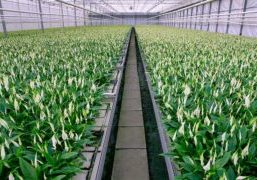


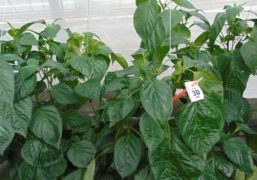

Plant resilience is becoming the new standard
Resilient crops and robust cultivation systems are in the spotlight these days. We want plants that are tough enough to withstand disease from mere contact with a fungus, virus or bacterium. Researchers and the corporate community have joined forces in the quest for increased crop resilience.
Increasing consumer demand for environmentally-friendly grown and residue-free produce is putting the use of chemical crop protection agents under pressure. At the same time - or in connection with this - an increasing number of crop protection agents are no longer available. The horticulture industry is therefore hard at work searching for alternative ways to protect crops from pests and diseases.
What does resilient mean?
Resilience is a modern name for a natural way of being that has almost been forgotten. For many years, the necessity of crop resilience was relegated to the background with the advent of chemical agents, while the intensification of horticultural crop production was placing a more strenuous burden on crop health at the same time. Cultivation methods, the speed at which crops are produced, the larger number of plants being grown, the greenhouse climate, varietal selection and the use of chemical crop protection agents have all been instrumental in the extent to which plants are resilient and susceptible to disease and damage.
Now that sustainable cultivation has become a market criterion, plant resilience is quickly gaining in importance. Additionally, due to the increasingly narrower package of chemical agents available today, treating your crops with chemical agents no longer as self-evident as it was a few years ago. As a result, plant resilience is becoming an increasingly urgent point on the agenda. At the same time, there is a large group of growers who don’t find the problem to be as pressing: ‘We still have chemistry, don’t we? There must be some adjustments that can be made.’
The number of activities and studies currently focusing on ways to increase plant resilience - and therefore reducing plants’ susceptibility to pests and diseases - is astounding. The numerous studies are being regarded with great interest. They are receiving financial support from governmental institutions and applauded by environmental and social organisations. If we are successful in increasing plant resilience, our faith in healthy cultivation without any need for chemicals will surely increase.
Plant resilience is, however, very difficult to measure. Methods used for this include scouring for symptoms of disease, measuring spore impact or conducting tests for disease on flower and plant materials (bio-testing). A proposal was submitted at the ‘Topsector Tuinbouw en Uitgangsmaterialen’ summit for horticulture and plant materials held in September 2015 for in-depth research into the measurability of plant resistance.
Influence of light and substrate
Parameters are being sought on a diversity of fields to influence plant resilience. A connection has been discovered, for example, between plant resilience and light. Red light, far-red light and UV light all have an effect in the immune system. Studies into plant resilience in relation to light have been conducted at the initiative of Philips and Wageningen University and Research Centre (WUR). One of the conclusions is as follows: ‘We know from literature that light is not necessary for assimilation alone; those parts of a plant that are exposed to sufficient light are less susceptible to mildew, for example.’
Several studies are investigating the effect of substrates on plant resilience. A perfect example is injection with rhizobacteria. This natural enrichment of substrates, called Induced Systematic Resistance (IRS), has been noted as highly promising by the WUR research staff. Additionally, endophytes – micro-organisms – are also being investigated as an alternative for boosting resilience. Another factor to take into consideration involves plant strengtheners, such as seaweed, mineral oil, fatty acids, garlic and fungus spores.
The end of 2014 saw numerous proposals for fundamental research being submitted to the Netherlands Organisation for Scientific Research (NWO Green) within the framework of the ‘Topsector Tuinbouw en Uitgangsmaterialen’ summit. One of the studies given a green light was a project investigating plant resilience in chrysanthemum cultivation. The study focuses on how the inoculation of sterilized soil media with soil micro-organisms affected the sensitivity of above-ground pests. The research objective was to develop soil inoculants that could be used to promote resilience in cut flower varieties against diseases and pests in the soil as well as above the ground.
Soil life
An in-depth research report recently published by a team of WUR researchers, ‘Resilient substrate’, discusses the prospects of resilient cultivation. According to this report, the viability of resilient cultivation is not only confirmed by facts derived from scientific literature, but also by the practical experiences of growers. Increasing plant resilience via the substrate is anticipated to become an increasingly important aspect to take into consideration in combating above-ground pests and diseases. Nutrients in the soil have a direct as well as indirect influence on the resilience of a crop against a diversity of pathogens. The quality and amount of organic substances are key factors in determining the composition of microbial soil life and, as such, crop resilience. Soil life is influenced by organic additives in the form of compost. The type of substrate also plays an important part in this. Coco is rich in bacteria, fungus and protozoans, for example, while rockwool contains mainly bacteria. It is highly probable that not all substrates have the same potential for resilience. Case studies have confirmed this. Cucumber plants grown on champost substrate mats (a residual product from the mushroom sector), for example, are less susceptible to Pythium and mildew. Crops grown on this substrate, which has a hight organic substance content and contains numerous active micro-organisms, will therefore be more resilient.
Researchers have noted that the number of studies demonstrating the impact of the substrate on above-ground pests and diseases is still limited. Apart from that, the effects are not yet conclusive enough to enable this method to serve as an alternative for chemical crop protection. ‘But that’s not what we are aiming for,’ says WUR researcher Jantineke Hofland. ‘We are more inclined to consider this a step towards the full-scale adjustment of the entire cultivation system. Not just one change, but multiple changes at the same time. The entire system needs to be thoroughly reviewed. Now that several studies have shown that plant resilience can be controlled, our research is ready for a next step: the integration of plant resilience into a comprehensive system.’
Two routes
Resilience in plants runs through two different routes: the jasmonic acid route and the salicylic acid route. These routes are named for the alarm substances produced in a plant following a predator attack. Jasmonic acid is produced when plants are exposed to phloem-sap sucking insects and fungi that kill plant tissue and live on dying plant materials, such as Botrytes and Phytophthora. Salicylic acid is formed following an attack by micro-organisms on living plant material. Examples are downy mildew, powdery mildew, rust and scabies
Plant strengtheners are agents that are used preventively and work much in the same way as does a vaccine. Just as pathogens, they stimulate plants to create proteins that increase resistance to disease. Plant strengtheners are not crop protection agents. They increase resistance, but cannot offer a guarantee that plants will not be damaged.
The plant strengtheners used in practice generally focus on boosting resistance via the salicylic route. The Greenhouse Horticulture division of WUR in Bleiswijk is currently researching plant strengtheners. A study conducted on cucumbers tested eight different plant strengtheners, which were administered preventively by spraying them onto the leaves or pouring them onto the roots. The crops were then injected with mildew. Despite the fact that all the plants were, in the end, damaged by the mildew, it took longer for them be infected.
Green crop protection agents
As soon as a product is developed that successfully combats pests or diseases in plants, an application must be submitted for its authorisation. All crop protection agents must be approved by the Board for the Authorisation of Plant Protection Products and Biocides (College voor de Toelating van Gewasbeschermingsmiddelen en Biociden, Ctgb) before they can be marketed. The procedure for ‘green’ crop protection agents is, however, difficult and slow. This is because European regulations for the authorisation of biological crop protection agents have not yet been described. To force an accelerated assessment procedure, the Netherlands has launched the Green Deal ‘Green Crop Protection Agents’ project. Green crop protection agents are substances of a natural origin such as plants micro-organisms and minerals. Plant strengtheners with a nutrient component can be granted authorisation as a fertiliser. The Nutrients Management Institute (Nutriënten Management Instituut, NMI) is the agency that determines this. In practice it makes no difference whether a product has been approved as a fertiliser or a crop protection agent.
Device
In early 2015 a grant application was submitted to the Netherlands Enterprise Agency (Rijksdienst voor Ondernemend Nederland, RVO) for a device that would boost plant resilience in greenhouse horticulture. The device is intended to ‘increase the resilience of greenhouse-grown plants against diseases in a biological manner and in which no chemical substances or metals are applied and the use of crop protection agents is reduced’. The device is ‘a system for increasing plant resilience, excluding water storage facilities and irrigation systems’.
Text: Tuinbouwteksten.nl/Suzan Crooijmans. Photos: Fotostudio GJ Vlekke, GAPS Photography.
Download the complete dossier Plant Resilience (7 pages, pdf).
If you want to download this content you need a subscription, or log in when you already have a subscription.
Waiting for the horticulture robot
Robots appear to be the best solution to combat the rising cost of labour. After all, they can work 24 hours a day, without uttering a single complaint. So, what is keeping the entire horticulture industry from embracing the robot? Are they too expensive, has the technology not yet been developed to a high enough level, or are humans simply better workers in the horticulture industry?
The first robots have been spotted in the horticulture industry. Even better: there are plant growers with entire ‘streets’ of thirty robots whose job is to take and root cuttings. Still, most of the work being carried out in this industry involves manual labour. But aren’t robots cheaper as well as better than humans? Or, in other words: what’s preventing the large-scale introduction of the horticulture robot?
Big chances for success
The robots we are most familiar with are those used in the car manufacturing industry. In the horticulture industry robots are also very welcome alternative, with big chances of success. According to a whitepaper on robotisation (Dutch only) by a team of researchers from Wageningen University and Research Centre (WUR), this is mainly because work in the horticulture industry is often monotonous and physically demanding, and the sector subsequently attracts increasingly fewer workers. The nature of the work is, however, not the only factor. Robots perform their work with a more consistent level of reliability than people, say the researchers. ‘Thanks to modern sensors robots are able to pick, grade and inspect food products with increasingly greater precision.’
Why the agricultural sector has had to wait so patiently for the large-scale introduction of robots can be easily explained. ‘Circumstances in this sector are, by the nature, subject to constant fluctuation: a bell pepper will never be suspended at exactly the same spot for two days in a row, and no two udders are identical.’ Developments are, however, coming along rapidly. It is inevitable that the robot will soon be making a breakthrough in the horticulture industry, say the researchers. ‘The sector will be facing a gigantic challenge worldwide in 2050: having to feed nine billion hungry mouths. Without the extensive application of robots in food production we do not expect the industry to be capable of meeting this challenge.’
Tomato packaging line
Nevertheless, there are plenty of developments being launched, albeit it fits and starts. In the kick-off to the 1996 Dutch Mushroom Days the presentation of a grand total of three robots was announced. In the end, only one robot was actually presented at the fair; the other two never left the testing area - and that one robot was demonstrated for only a limited number of hours during the fair in Grubbenvorst due to technical problems. Now, almost a decade later, there are still no commercial harvesting robots for mushrooms.
Researcher Rick van de Zedde of WUR knows more examples of horticulture robots that failed to make it to the market. This can seldom be attributed to technology or the quality of the robot, but is more often than not related to a lack of confidence among suppliers and growers. ‘You may be able to develop the most amazing robot in the world, but you need to find someone willing to dig into his pockets to pay for the first one.’
The European Union found it time for a breakthrough. Politicians and policy-makers felt Europe would lag behind in terms of competitive power if not more robots were to be developed. This is why the EU is putting a lot of money into the development of robots. WUR and several of its partners are currently applying an EU grant to design a new, fully automatic tomato packaging line: the PicknPack.
The bar is quite high in the development of the PicknPack project, says Van de Zedde. ‘We will be testing the line on vine tomatoes. This has made it a complex project: a vine tomato is a composite product, after all. Any other fresh product would have been easier.’ The project is currently at a halfway mark. The line is being constructed in Wageningen and will be demonstrated to the public in 2016. PicknPack will be able to grade vine tomatoes (based on camera images), and pick up move and package bunches of vine tomatoes.
Attempts to promote the development of the robot for the horticulture industry aren’t limited to the European Union; several years ago the Japanese government funded the development of a horticulture robot, too. This strawberry-picking robot was able to harvest 60 per cent of the red strawberries, at a rate of only 9 seconds apiece. The Spanish Agrobot has been equipped with several picking arms, further increasing its productivity.
Harvesting robots
The EU aims to ensure that more and better robots are developed. However, this does not mean that there are no horticulturists already making use of robots. Rose grower Leo van der Harg purchased the Rombomatic a decade ago to clip cuttings from rose stems and subsequently plant (or root) them. The robot was designed by the firm of Jentjens, which was taken over by Irmato in 2013. This company was also closely involved in the Crops Project , a project that focused on the development of harvesting robots for various types of crops, such as apples and sweet peppers.
The Crops Project was a good starting point for the further development of harvesting robots, according to WUR researcher Jan Bontsema. Crops showed that greenhouses will need to be organised differently to facilitate the successful implementation of robots. Robots, for example, see crops only from one side. They therefore tend to overlook fruits that are hidden or even partly concealed behind leaves. This means that they would have to be able to approach a crop from both sides. Greenhouses will need to be prepared for this.
Such aspects are taken along for consideration in the follow-up to Crops: Sweeper. This research project was launched at the beginning of 2015 and receives European funding. ‘The Sweeper project explicitly takes the crop into consideration,’ continues Bontsema, the project’s leader. ‘This is why it is so important that growers are also involved in the development of Sweeper.’ A study will be conducted at the De Tuindershoek sweet pepper farm in IJsselmuiden during the next few years to discover how a greenhouse should be reorganised to make Sweeper a success.
The harvesting robot itself will also be subject to redevelopment. Bontsema provides an example: ‘In the Crops Project, sweet peppers are harvested using two ‘fingers’ and a pair of scissors. The robot therefore needs to know exactly where the stem is located, a task which it doesn’t always perform successfully. Sweeper is currently testing a ring to capture the sweet pepper. This ring will make it much easier for the robot to find the stem.’ The Sweeper robot should be ready to market in a few years. Bontsema: ‘Our goal is to build a fully operational robot within the next three years. The next step will then be for our partners to bring it to the market.’
Labour planning
The crux of the matter is: will such a robot be a financially attractive alternative for growers? This is quite a difficult question. Van der Harg: ‘Thanks to this robot, I need fewer people to make and transplant the cuttings.’ Saving on labour costs is, of course, the foremost argument in favour of buying a robot. For this purpose Wageningen UR developed MARVIN™, a robot that can inspect and grade 19,000 tomato cuttings per hour, thus replacing a work force of 27. Besides MARVIN™, the Enschede-based firm of Demcon recently announced a new harvesting robot. The newspaper header read ‘Asparagus robot at DEMCON Enschede does the work of ten people’
Van de Zedde says that it is still only in a few cases that the investment costs of a robot can actually be earned back by cutting labour costs. ‘That will only be possible if your product is available for longer than just a season, and if the robot can work for 24 hours a day. An apple-harvesting machine, for example, can only be deployed for a few weeks every year. An investment in a robot like that will only be profitable if it can perform other tasks for the remainder of the year.’ This is precisely what makes the idea behind the Sweeper robot: it can perform its tasks on almost a year-round basis.
Business model
What is at least as important is the uniform quality of work performed by a robot. After all, if you tell a robot to cut roses 70 cm in length, it will keep on cutting 70 cm roses until there are none left, night and day. When you tell a person to perform the same task their enthusiasm for the task is bound to wane after some time. However, there are tasks that a human can execute far better than any robot. Van de Zedde: ‘People are very sensitive to deviations. This is why so much of the labour carried out in the horticulture industry is manual: people are very good at that.’ Piet Oomen of the ISO Group: ‘One of customers decided at one point to outsource his production to Africa, where labour is much cheaper. However, he recently returned to the Netherlands and has started using robots.
Additionally, a robot enables you to take an entirely new approach to growing fruit and vegetables. A mobile cultivation system with the deployment of a robot would be a very sensible idea, for instance: after all, a robot that has to continually move about from plant to plant (instead of the other way around) is, of course, much more susceptible to malfunctions than a stationary one.
Also, using robots will allow for a different business model. Van de Zedde refers to the Japanese market, where strawberries are sold as if the were bonbons: completely uniform in size and ripeness, and sold in posh packaging, Japanese Grade A strawberries can easily be harvested by robots. Those robots do not have to harvest 100% of the strawberries that match the Japanese criteria; whatever remains on the plant can be picked by people and will be marketed through other channels.
Plant phenotyping
Opportunities abound. And there will be even more in the future. Van de Zedde has high hopes for plant phenotyping, for example: the assessment of the quality of a crop or product, based on its external traits for selection. Wageningen University and Research Centre is currently conducting a study into its possible applications, e.g. to monitor quality in the chain.
It is self-evident that many of the current developments feature the tomato as their test crop: it is a popular vegetable fruit that is produced by a relatively large number of growers. It also comes as no surprise that a relatively large amount of research is conducted on field produce. Thousands of hectares in Europe are dedicated to the cultivation of broccoli, for instance. A broccoli-harvesting robot would therefore also have reasonable chances of success.
Van de Zedde proposes that the successful implementation of robots in the horticulture industry depends on a handful of entrepeneurs: are they willing to rearrange their greenhouses in such a way to make the deployment of robots a profitable venture? Large-scale growers will be the first to consider a robot. ‘If you are a front-runner in a particular industry, your chances of profitability following the introduction of new technology will be greater. The ones to introduce new technology to the market will therefore always be its pioneers. I expect it to take another five to ten years before robots become the standard in the horticulture industry.’
Text: Tuinbouwteksten.nl/Mario van Vliet | Photos: Wageningen UR/Mario Bentvelsen.
Download the complete dossier Robots in Greenhouse Horticulture (13 pages, pdf).
If you want to read this content you need a subscription, or log in when you already have a subscription.
Related



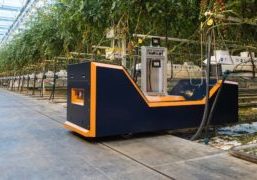


‘De-leafing curbs energy loss’
Evaporation - and therefore energy loss - can be limited by removing excess foliage. This principle is, however, applied to only a few crop varieties. Professor Marcelis sees oppurtunities for sweet peppers, tomatoes, aubergines and roses.
‘Sweet peppers do not need their lower leaves for production, for example. These leaves do not contribute to photosynthesis, while they continue to evaporate moisture. Without this evaporation you could save energy. This is why you should remove the lower foliage in late summer or early autumn. Dutch growers, however, believe that this will take too much work. Their answer to the research proposal we submitted was "We’re not going to do that", because they did not expect it to yield any substantial profits. In cases like these there is no point in conducting a study to assess the production increase resulting from de-leafing, or whether or not de-leafing has a beneficial effect on susceptibility to disease due to the improved air circulation around the plant. Aubergines are another crop that would benefit from de-leafing in late summer or early autumn.
‘De-leafing sweet peppers is relatively easy: you simply tear the leaves off. You can easily estimate the results achieved in a calculation model. However, due to the immediate rejection by the horticulture industry this study was never given a chance to prove the benefits of de-leafing.
‘Tomato growers, on the other hand, have embraced de-leafing as a useful practice. Research is now being conducted into the amount of foliage that is genuinely needed by a plant. Plants produce too much foliage in winter, in any case. We are conducting in-depth research into this.
‘When growing tomatoes, you remove the leaf at the head of the plant before it has fully formed. The plant will then no longer need to spend any energy on the development of that leaf. This is already being done in practice, but the process could be improved. Research is currently being conducted on this by Wageningen UR Greenhouse Horticulture in Bleiswijk, but I am not directly involved in this project.
‘We have not yet reached any definite conclusions with regard to how much foliage is desirable. I am convinced that de-leafing would also be useful in the cultivation of roses. Roses waste a lot of energy on unnecessary foliage. If all the sugars now seeping into bent branches would be made available for production, you could probably harvest many more branches. We have to come up with a smart solution for that. I am certain that far too much energy is being lost.’
The emergence of LEDs, climate control and a growing insight into plant physiology allow crops to be grown in greenhouses all over the world. Does greenhouse horticulture in the Netherlands have a future?
‘There are actually many advantages to greenhouse horticulture in the Netherlands. Summers aren’t so hot. There could be more light in winter, but there are other greenhouse horticulture areas - such as in the United States - where winters are much colder. Many regions have to cope with regularly extreme weather conditions. No, greenhouse horticulture certainly has enough advantages.
‘It is, however, a fact that horticultural developments are taking place at an accelerated pace all over the world. The Netherlands is a front-runner with respect to efficiency. If you wish to retain that leading edge you will, however, have to continually come up with smarter solutions with regard to efficient cultivation, marketing, quality and vitamin and nutrient content. Innovation is essential to horticulture.’
Leo F.M. Marcelis (Elst Gld, 1963) studied horticulture at Wageningen University, where he obtained his PhD in 1994. He was a professor by special appointment of Crop Production in Low-Energy Greenhouses at Wageningen University until 2013 and team leader at Wageningen UR Greenhouse Horticulture. On 1 December 2013 Prof. Dr Leo Marcelis was appointed Professor of Horticulture and Product Physiology at Wageningen University.
Download the complete interview with prof. dr. ir. Leo Marcelis about diffuse glass, LED-lighting, urban farming, de-leafing and the effects on plants, energy consumption and cultivation strategy (login required).
Source/photo: Tuinbouwteksten.nl/Theo Brakeboer.
Mobilising all efforts on the imbalance market
Now that the rates for the return of electricity have dropped lower than ever before, growers will have to make all possible efforts to achieve a profit on the imbalance market from their CHP. AgroEnergy is launching a new service that will allow growers to place bids directly on the control power market, which will enable them to trade actively through TenneT. This initiative would also allow growers to collectively offer emergency power.
Cogen Nederland, the Dutch association for the promotion of CHP, anticipates that the current capacity generated by CHP units will be reduced by fifty per cent in the next decade to come. With a rate of 3.6 cents per kWh and a peak rate of 4.8 cents for the next three years to come, the energy market is suffering tremendously. The peak price will barely cover the variable costs of a CHP unit. Nevertheless, Arjan van der Spek of Enova is convinced that the fifty per cent referred to above will probably not be achieved, taking into account that half of all growers deploy their CHP units for assimilation lighting for their own crops anyway. CHP is here to stay. With regard to the fifty per cent that would remain unused, growers will have to rely on returning electricity to the grid at the right moment. ‘They will have to actively make use of this option.’ There is, however ray of hope as opportunities on the imbalance market are likely to improve. The increasing number of wind turbines and solar panels has heightened the risk of imbalance problems in the supply of electricity. After all, no electricity will be generated when the sun doesn’t shine or there is no wind.
Power control under contract
‘Based on the by-the-minute forecast price, growers can adjust their CHP production upwards or downwards through the imbalance control platform’, explains Willem Bijlsma of Tenergy Services. ‘This will allow them to benefit from the higher rates arising from a shortage in electricity at a particular point in time. TenneT, however, determines its quarterly rates in retrospect; you can never forecast precisely how much you will earn. This is a drawback in passive participation on the imbalance market. Additionally, this supply option is gradually phasing out because TenneT prefers to regulate the supply of energy through contracts.’
TenneT contracts extra control power capacity for a sufficient supply of energy on the imbalance market. As TenneT concludes these contracts with large energy companies, and not with greenhouse growers (these parties being simply too small), AgroEnergy is developing a service that will let growers offer their CHP as control power capacity. This service will be launched on 1 October 2015. The collective power will than be offered to TenneT by means of a bid, provided that the capacity will amount to at least 5 MW. ‘Every grower can subscribe and decide for himself whether or not to participate’, explains Fieke Rijkers of AgroEnergy. ‘In the event that we are unable to supply the required 5 MW, Eneco will make up for the deficit. The biggest advantage for growers is that they will get the rate that has been fixed at that particular moment.’
Rijkers believes that growers will benefit in terms of security by collectively offering control power capacity rather than responding to the imbalance market without a contract. ‘This will provide growers a realistic alternative to earn some extra money on top of the long-term spark spread and trading on the Amsterdam Power Exchange (APX). As soon as TenneT gives the sign for delivery, participants will have thirty seconds to respond with an upwards or downwards revision. This will require some adjustments with regard to the necessary software.’
Making use of all the available options
Robert Willemsen of Powerhouse – a subsidiary of RWE – is wondering why a grower would allow his CHP unit to contribute to a pool, ‘particularly if a fine applies when you fail to respond in time.’ This is, however, not the case with regard to the product offered by AgroEnergy, taking into account that this concerns voluntarily offered control power capacity instead of a fixed contract with TenneT. His solution: ‘Make sure that you get the most out of your CHP unit and that you are using good software. For an optimum yield you have to make use of all the available options: the imbalance market, the APX and keeping a vigilant eye on the highs and lows: selling when the price is up and buying when the price is down. Not everyone will be able to do this equally well; it requires a lot of time and attention.’
Stijn Schlattman of Energy Matters argues for adequate compensation for flexible power supply to compensate for the fluctuations in the supply of wind and solar energy. ‘It is important that gas-fuelled engines are able to contribute to this. This will improve the case for gas engines and people may even begin to invest in new gas engines. Following on another two meagre years with a weak market and a low spark spread new opportunities are arising fro flexible CPHs. Until then owners of CHP units will simply have to muddle through.’
Contract for emergency power supply
TenneT contracts emergency power supplies to compensate for possible failures at power plants. This counters the considerable imbalance on the electricity grid. Back-up generators or CHP units that would otherwise be on stand-by could be used for this. The power generated by these, which is used once a month on average, must be continually available. Companies can register on an annual basis for a scalable emergency power supply of 350 MW, to be made available within ten minutes. This could be financially worthwhile, says Hendrik Koetsier of Energie365. Energie356 collects flexible power from companies for emergency power supply for TenneT. This flexible power supply is provided by companies with back-up generators. Koetsier has noted interesting opportunities for CHP units in this. However, the power generated by multiple growers would have to be offered collectively, because TenneT applies a 20 MW minimum. This would enable infrequently deployed CHP units to nevertheless bring up some cash. TenneT pays an annual availability compensation of over ten thousand euros per MW, plus a variable compensation for the electricity actually supplied. ‘Supplying emergency power could be interesting particularly in cases where a CHP unit generally doesn’t produce anything normally, while entering the imbalance and control power markets is a more obvious alternative for CHP units that are deployed on a regular basis. Emergency power is a better option for CHP units that are not deployed as frequently.’ The drawback is that the emergency power reserved for TenneT has to be continually available; a grower will neither be able to offer it on the imbalance market or the APX nor make use it for his own crops in peak periods.
Supplying emergency power is not a viable alternative for growers who make use of assimilation lighting, says Remco Wiegmink of NIFE-energieadvies. Chances are high that the emergency power will be demanded from the grower when he needs the electricity for his own crop. Besides this, the power may need to be delivered at times when there is no demand for heat. It is doubtful whether the yield for emergency power contributed by a CHP unit that would otherwise not be producing will be sufficient to cover such fixed cost items as gas power and transport. Growers switching to geothermal heat hardly ever offer the power generated by their CHP units on the imbalance market for this reason alone. Robert Willemsen of Powerhouse even considers participating in pools like this a ‘very dangerous’ option. ‘It is better to participate in the control power or imbalance markets by gearing the sale of your power to the opportunities that come your way.’
Careful deployment
CHP yields only minimal returns in the horticulture industry. A new CHP unit is not profitable unless it is used for assimilation lighting for your own crops. Based on variable costs, if you already own a CHP unit selling power to the grid will barely be profitable. According to Schlattman of Energy Matters operating hours for CHP units are dropping as far as approximately 3200 hours a year. Fieke Rijkers of AgroEnergy understands the difficulties faced every day by growers placing a bid on the APX, in terms of calculation effort as well as time. ‘The automated BiedOptimaal system offered by AgroEnergy will take a load off their shoulders.’
Robert Willemsen of Powerhouse: ‘Growers who own a CHP unit that has not been written off yet will have to deploy their CHP unit very carefully in order for it to be profitable. If it does not operate for at least 4,000 to 4,500 hours it will be very difficult indeed to pay back your investment. On top of that, you can optimise short-term returns through the APX and the imbalance market. The price risk is, however, high. In fourteen years’ time I have never seen rates as low as they are now, with 3.6 cents per kWh and a peak of 4.8 cents for the next three years to come. The peak price is just enough to cover the variable costs of the CHP, so this will only be profitable with an old CHP unit. The problem is that you can’t simply shut down a CHP unit when you have taken out a 3,500-hour maintenance contract. In this case, your best bet is to deploy it as frequently as possible, if only to minimise your losses.’
Source: Tuinbouwteksten.nl/Theo Brakeboer. Photo: Mario Bentvelsen.
‘No greenhouse should be without diffuse glazing, no matter where in the world’
Diffuse light is a hot item in greenhouse horticulture, not in the least thanks to Leo Marcelis. Professor Marcelis conducted research into the benefits of diffuse glazing as early as 1987. ‘Diffuse glazing may be more expensive, but with an increase in yield of 5% you can earn back your investment in no time at all. In many cases the increase in production will even exceed this 5%.’
‘When I conducted a study on diffuse light in 1987, this could only be performed through simulation in calculation models. Theoretically, we were able to conclude that diffuse glazing definitely had positive effects on the plant growth and crop production. Twenty-five years later we learned something, after all. The results achieved with diffuse glass were even better than those calculated at the time.
‘Around five years ago the production started of various types of diffuse glazing with good light transmission properties. Several tests were conducted on this, showing, above all, that diffuse glass works: it has a positive effect on production, resulting in production increases from 5 to 10% a year.’
The application of diffuse glass: Marcelis is convinced of its advantages. Whether the horticulture industry backs his conviction is not entirely clear, particularly because only few new greenhouses have been built in the past years.
‘Nevertheless, many of the greenhouses being built today are equipped with diffuse glazing.’ He continues, diplomatically: ‘Any grower not opting to use diffuse glass will probably have a good reason. Diffuse glass may be more expensive, but with an increase in yield of 5% you can earn back your investment in no time at all. In many cases the increase in production will even exceed this 5%.
‘The diffuse glass on the market today generally has poor light transmission properties, so I would not recommend it. What you gain on the one hand (light distribution), you lose on the other (light). Light is, of course, a basic requirement for plant growth. You have to use as much of it as you can, and as efficiently.’
Can diffuse glazing be applied in all countries of the world?
‘The positive effects produced by diffuse glazing are not restricted to the Netherlands; diffuse glazing will produce beneficial results in every other country in the world, and particularly in countries where there is a lot of light.
‘The more light, the greater the impact produced by diffuse glass. It is particularly beneficial when the direct light is strongest; the strong beams no longer focus as directly on the top of the plant. The intensity of the light is uniformly distributed throughout the greenhouse.’
Which crops benefit most from diffuse light?
‘With conventional glass, you will alternately have shady spots and spots with a high light intensity. This can cause damage to leaves, which is particularly undesirable if you are growing potted plants. This is why growers of potted plants frequently reduce the amount of light through screening or the application of chalk. This does, however, have a negative impact on the growth rate and the colour of the flowers.
‘Many growers of potted plants employ a low light intensity programme to prevent any chances of leaf scorch. Diffuse glazing will, however, allow for a higher light intensity. This could be of considerable advantage to growers.
‘When there is a lot of direct light, the temperature will rise while the humidity drops. Achieving a better balance in this will allow more light to be absorbed by the plant. Anthurium, for instance, is generally grown at a light intensity of 5 mol without humidifiers. Depending on the pot size and the season, a crop will take 22 weeks to grow. With diffuse glazing and a humidity that does not drop below 70% you could easily increase the light intensity to 10 mol. As a result, your crop will be ready for sale in 16 weeks and will be heavier, too. That is an astounding result. In the 25 years of my research, I have never conducted a study that produced such a big leap in production in comparison to what is being done in practice.
‘That you can achieve such leaps in production in 2014 is hardly believable. You would only expect this in developing countries, where all crops are heavily screened.’
Does this mean that you need to be able to control humidity to gain more light?
‘To fully enjoy the benefits of diffuse light you must be able to fully control the greenhouse climate. In those instances where screening is used during the day you would achieve better results with a diffuse screen.
‘Growers who already have their greenhouse set up won’t be eager to switch to diffuse glazing, because that would create a lot of havoc. In those cases, you could consider installing a diffuse screen; that will also produce positive results. Typically, new glass is only installed in newly built greenhouses; in that case diffuse glass should be used. All of this applies even more so to the cultivation of potted plants.’
What would happen if an outstanding replacement for glass were to be invented?
‘I assume that greenhouse covers will continue to be made of glass, but you cannot exclude the possibility of a good synthetic alternative being brought to the market in a few years. An alternative that is available today is an outstanding foil with excellent light transmission properties: F-clean. Apparently, there is also a diffuse variant. However, this foil is very expensive. If it were to drop in price, it may very well replace glass.’
Leo F.M. Marcelis (Elst Gld, 1963) studied horticulture at Wageningen University, where he obtained his PhD in 1994. He was a professor by special appointment of Crop Production in Low-Energy Greenhouses at Wageningen University until 2013 and team leader at Wageningen UR Greenhouse Horticulture. On 1 December 2013 Prof. Dr Leo Marcelis was appointed Professor of Horticulture and Product Physiology at Wageningen University.
Download the complete interview with prof. dr. ir. Leo Marcelis about diffuse glass, LED-lighting, urban farming, de-leafing and the effects on plants, energy consumption and cultivation strategy (login required).
Source/photo: Tuinbouwteksten.nl/Theo Brakeboer.