Rhizoctonia
Rhizoctonia
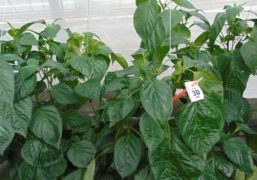
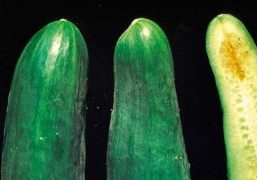
Rhizoctonia solani is a soil fungus with a wide host range and worldwide distribution. Host plants include almost all vegetables, flowers, shrubs and trees. It can cause serious damage by affecting the roots, tubers, stem, plant base, and other parts of the plant in and on the soil. The most common symptoms are root and stem rot and it can also cause sunken spots on fruit.
The fungus is also responsible for damping off, which affects seedlings and causes the stems to rot at the base. The plant material can die before or immediately after the seedling emerges from the soil. The fungus is predominantly found in soil-grown crops such as radish, lettuce, bean, chrysanthemum and summer flowers, but also in pot plants and bedding plants.
Rhizoctonia does not form spores. The pathogen overwinters as mycelium or in the form of sclerotia which produce new mycelium under favourable conditions. The fungus spreads through water, tools with soil particles and other contaminated materials. The optimum temperature for infection is 15-18ºC.
Rhizoctonia
Rhizoctonia solani is a soil fungus with a wide host range and worldwide distribution. Its host plants include virtually all vegetables, flowers, shrubs and trees. It can cause serious damage to the plant by attacking the roots, stems, bulbs, base and other parts of the plant in and above the ground. The most common symptoms are root rot and stem rot. The fungus can also cause sunken patches on fruits.
The effect of the fungus is also known as ‘damping off’ as it causes the stem to die off at ground level. Very young plant material can even die off before or immediately after the seedling emerges from the ground. The fungus is mainly found in soil-grown crops such as radish, lettuce, bean, chrysanthemum and summer flowers, but it also occurs in pot and bedding plants.
Rhizoctonia does not produce asexual spores. The pathogen overwinters as mycelium or sclerotia. Strands of mycelium can then appear in favourable conditions. The fungus spreads via water, tools carrying soil particles, and other contaminated materials. The optimum temperature for infection is between 15 and 18ºC.
Text: Andrea Disco. Image: Wageningen University & Research.